RepLock article
How a short movement task can interrupt the habit of opening distracting apps
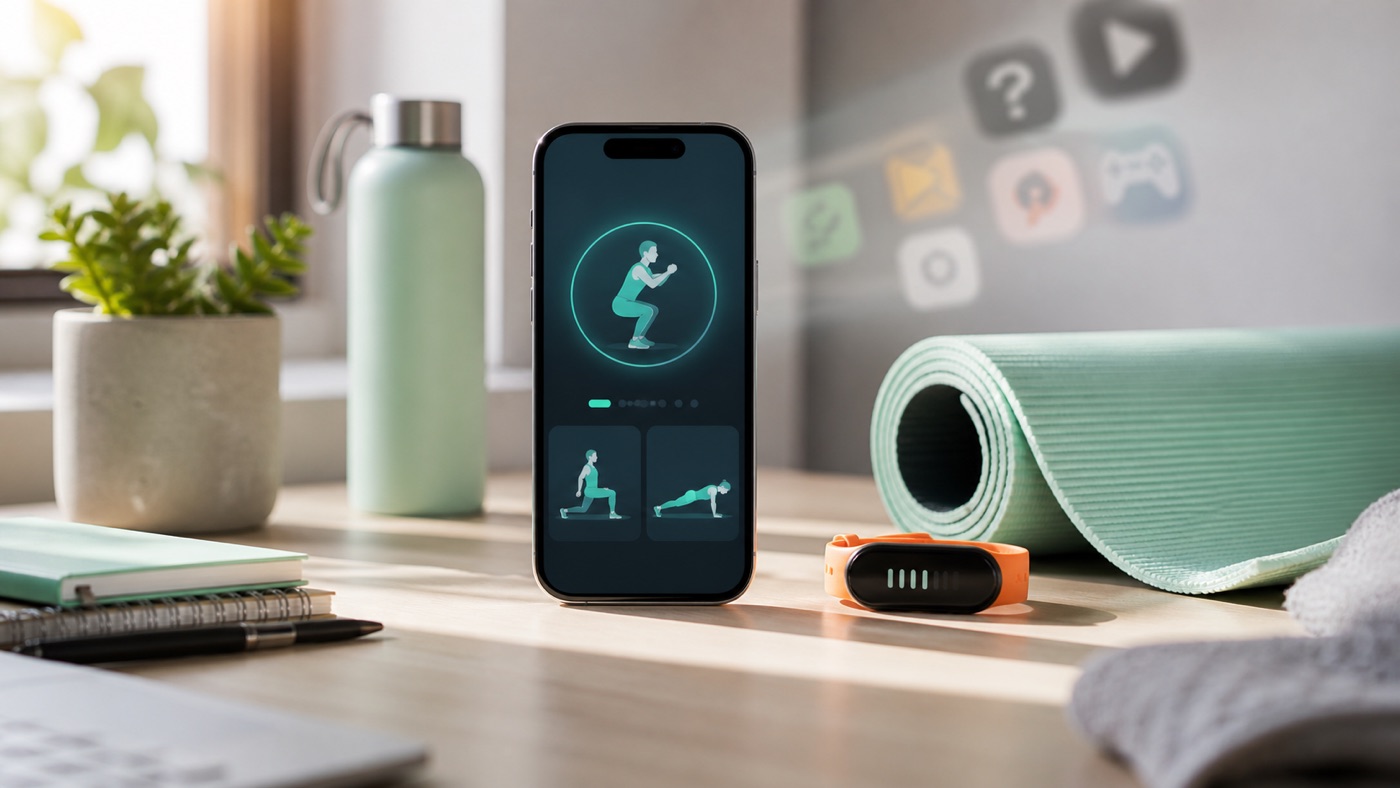
RepLock is built around a simple idea: the best moment to interrupt a habit is the second before it happens. A short movement task creates a pause that is harder to ignore than a warning message.
Product note
The pause matters more than the exercise
The task does not need to be difficult. Its job is to move the user out of reflex mode. When the user has to do something physical, even for a few seconds, the next tap becomes more intentional.
Product note
Why this is easier to remember
A generic block screen looks like a message. A movement challenge feels like a mechanic. That makes the app easier to explain, easier to show in screenshots, and easier for users to remember after the first session.
Next steps
What to improve next
- Tune challenge duration so it feels useful, not annoying.
- Show progress so the task creates a sense of earned time.
- Let users understand the rule before they hit the first blocked app.
Practice
A practical example
Imagine a user opening a social app during a short break. A normal block screen says that the app is blocked, but the user can often dismiss that message emotionally. RepLock should make the moment more concrete: the app asks for a small movement task, shows why the pause exists, and then lets the user decide whether opening the app still makes sense. That sequence is short, but it changes the meaning of the tap.
Practice
How to judge whether the idea works
The important metric is not only how many challenges are completed. RepLock should also watch whether users return to the app, whether they keep protected apps configured, and whether the challenge feels fair after repeated use. If users disable the rule quickly, the challenge is probably too heavy or poorly explained. If they keep it enabled, the product has created useful friction.
Next
Related project
This article connects back to the app page with the product summary and store links.